
Why Your Energy Isn’t Coming Back – IHHT Explained I Vital 360

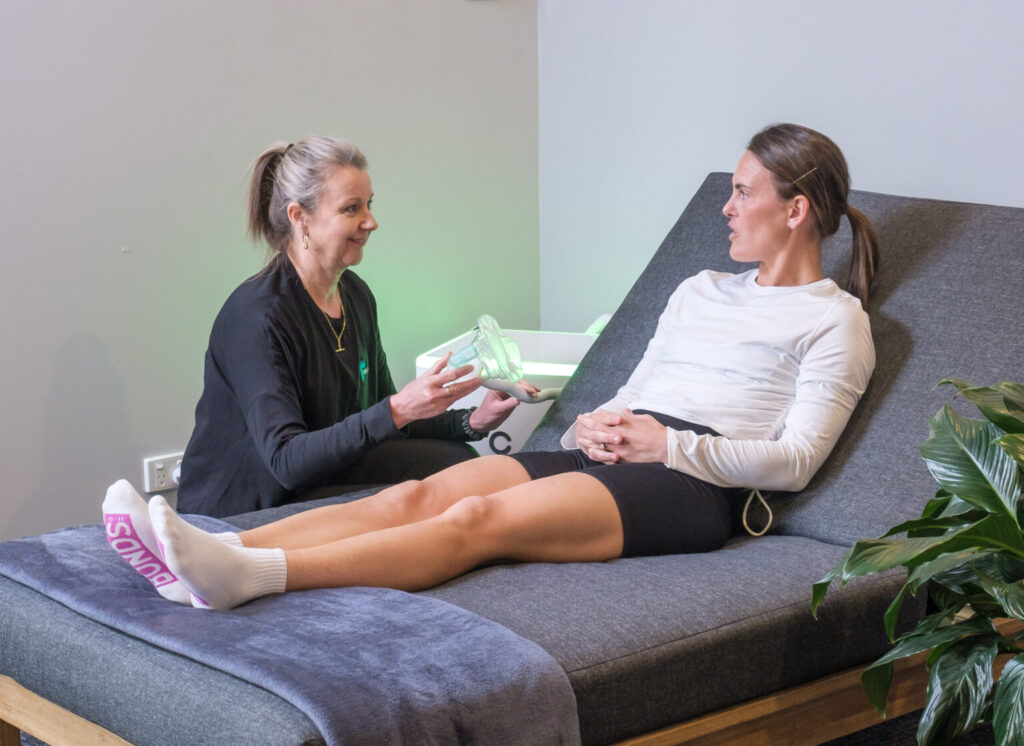
IHHT therapy session Ballarat Cellgym

You’ve tried sleeping more. You’ve cleaned up your diet. Maybe you’ve cut back on alcohol, started walking in the mornings, or taken more magnesium than you care to admit. And yet the fatigue is still there — that persistent, low-grade exhaustion that makes everything feel harder than it should.

If that sounds familiar, you’re not alone. And more importantly, you may not be looking at the right problem.


The part most people miss: it’s not about effort, it’s about energy production


Most approaches to fatigue focus on inputs — more sleep, better nutrition, less stress. These matter. But they don’t address what’s often happening at a deeper level: a gradual decline in the function of your mitochondria, the tiny structures inside every cell responsible for producing your body’s energy currency, ATP.

Your body contains approximately 80 trillion cells. Every single one has its own power station — its mitochondria. When those power stations are functioning well, you have energy to burn. When they’re damaged or depleted, no amount of sleep or supplements will fully compensate.

The CellGym documentation puts it plainly: mitochondrial dysfunction affects one in three people, is responsible for the majority of chronic lifestyle diseases, and more than 90% of chronic diseases are caused by depleted energy reserves in the mitochondria.

This isn’t fringe science. Mitochondrial dysfunction is increasingly recognised in mainstream research as a root driver of fatigue, cognitive decline, cardiovascular disease, metabolic syndrome, and accelerated ageing.


What causes mitochondrial decline?


The causes listed in the research are uncomfortably familiar: the ageing process, lifestyle factors, psychological stress, oxidative stress, toxin exposure, and nutritional deficiencies. In other words, modern life.

As mitochondria accumulate damage over time, they become less efficient at producing ATP. The body compensates for a while — then you start noticing the effects. Decreased energy output. Increased free radical production. Reduced muscle strength. Slower recovery. Brain fog. Poor sleep. A body running at 60% of its capacity and nobody able to tell you exactly why.


What IHHT does that nothing else does


Intermittent Hypoxic-Hyperoxic Training — IHHT — works through a mechanism that most wellness interventions simply can’t reach: it directly stimulates mitochondrial regeneration.

Here’s what happens during a session. You breathe through a comfortable mask that alternates between low-oxygen air (hypoxic, equivalent to being at high altitude) and high-oxygen air (hyperoxic, richer than normal atmospheric oxygen). The alternating cycles create a precisely controlled stress response at the cellular level.

During the hypoxic phase, the body activates its hypoxia response pathway, triggering the clearance of damaged mitochondria through a process called mitophagy. During the hyperoxic phase, the cells are flooded with oxygen, accelerating recovery and stimulating the production of new, healthy mitochondria. The research describes this as “exercises your cells” — prompting the body to remove what’s broken and build what’s needed.

The IHT Academy’s research summary, drawing on over 50 years of clinical application and more than four million treatment sessions worldwide, notes that controlled hypoxia induces the apoptosis of damaged mitochondria while healthy mitochondria replicate and continue supplying the cells with energy. The result is a measurable improvement in cellular energy production that builds over a course of sessions.


What the research actually shows


The research base for IHHT is substantial and spans multiple decades and clinical populations. Some of the most relevant findings for people dealing with fatigue, cardiovascular concerns, or cognitive decline include the following.

A study published in Alzheimers & Dementia found that intermittent hypoxic-hyperoxic training in elderly men with and without dementia improved cognitive performance. Another study, published in the European Journal of Preventive Cardiology, found that IHHT improved cardiometabolic profile, exercise tolerance, and quality of life in cardiac patients. Research on patients with mild COPD showed that IHHT increases exercise tolerance in patients at risk. A controlled clinical study published in the journal Gerontology found that intermittent hypoxia improved cognitive performance and quality of life in older people. And a study on patients with metabolic syndrome found significant weight loss, reduced body fat, lower cholesterol and fasting glucose levels, improved blood pressure, and better cognitive function following an interval hypoxia-hyperoxia regimen.

The breadth of these findings reflects the systemic nature of what IHHT does — it isn’t targeting a single symptom or organ system. It’s working at the level of the cell, which is why the downstream effects are so wide-ranging.


IHHT and long COVID, burnout, and post-viral fatigue


One of the most rapidly emerging areas of IHHT research is its application to post-viral fatigue and long COVID. A controlled clinical pilot trial published in a peer-reviewed journal found that IHHT delivered during inpatient rehabilitation significantly improved exercise capacity and functional outcomes in long COVID patients compared to standard rehabilitation alone. The researchers noted that the cardiorespiratory effects of IHHT made it a particularly suitable treatment for patients with impaired functional capacity following COVID-19.

For anyone who has experienced the particular exhaustion of post-viral fatigue — where the body simply doesn’t seem to recover the way it should — this research points toward a mechanistic explanation. Viral illness places enormous oxidative stress on mitochondria. IHHT addresses that damage directly.


Who is most likely to benefit


The clinical literature and practical application of IHHT points to several groups who tend to respond particularly well. People with persistent fatigue that hasn’t responded to conventional approaches. Those managing cardiovascular risk factors including high blood pressure, elevated cholesterol, or metabolic syndrome. People experiencing cognitive decline, brain fog, or age-related reduction in mental sharpness. Athletes seeking faster recovery between training sessions and improved endurance capacity. People navigating the energy changes associated with perimenopause or menopause. Anyone focused on healthy ageing and longevity who wants to address cellular decline proactively rather than reactively.

Importantly, because IHHT requires no physical exertion — you simply breathe through a mask while resting in a recliner — it is accessible to people who cannot exercise intensively, including those recovering from illness, injury, or surgery.


What a course of treatment looks like


The standard protocol recommended by CellGym is 20 sessions over six to eight weeks, with three sessions per week. Each session runs approximately 40 minutes. The device used at Vital360 — the CellGym — continuously monitors oxygen saturation (SpO2) and heartrate throughout each session, allowing the protocol to be individually adjusted to your response.

The research notes that the benefits achieved through a course of IHHT remain stable for approximately three to six months, after which a maintenance protocol of one session per week is recommended to sustain the cellular adaptations.

Clients at Vital360 typically notice improved energy levels within the first five to eight sessions, with more substantial and lasting changes — better sleep, clearer thinking, improved physical capacity — becoming apparent over the full course.


A note on safety


In over 50 years of clinical application and more than four million treatment sessions, IHHT has an excellent safety record. When used as directed, the only side effects noted in the literature are the occasional mild headache and a transient feeling of tiredness similar to what one might feel after physical exertion — both of which resolve quickly.

Contraindications include acute infections, acute headaches, myocardial infarction or pulmonary embolism in the past six months, unstable stenocardia, bouts of hypertension, acute organ failure, and the first trimester of pregnancy. A thorough health intake is conducted before every first session at Vital360 to ensure the protocol is appropriate for your individual situation.


Ready to find out what your cells are actually capable of?


If you’ve been living with persistent fatigue, sluggish recovery, or a sense that your body isn’t functioning the way it used to — and conventional approaches haven’t given you the answers you were looking for — IHHT may be worth exploring.

At Vital360 in Ballarat, we offer CellGym IHHT as part of a comprehensive approach to health optimisation and recovery. Sessions can be booked individually or as part of a tailored protocol, and many clients combine IHHT with mild hyperbaric oxygen therapy, PEMF, or infrared sauna for synergistic results.

You can learn more about how CellGym works at our clinic, or book your first session online at vital360.com.au, or call us on (03) 5303 0753. We’re located at 905 Macarthur Street, Lake Wendouree, Ballarat, Monday to Saturday.

Your mitochondria are waiting.

Book a treatment.

From enhanced energy production and healing to improved recovery, increased energy and reduced fatigue, our therapies offer deep detox and therapeutic benefits. Book a treatment today and elevate your overall wellness experience.

Book a treatment with us.

At our Ballarat studio:
905 Macarthur St, Lake Wendouree, 3350, VIC